
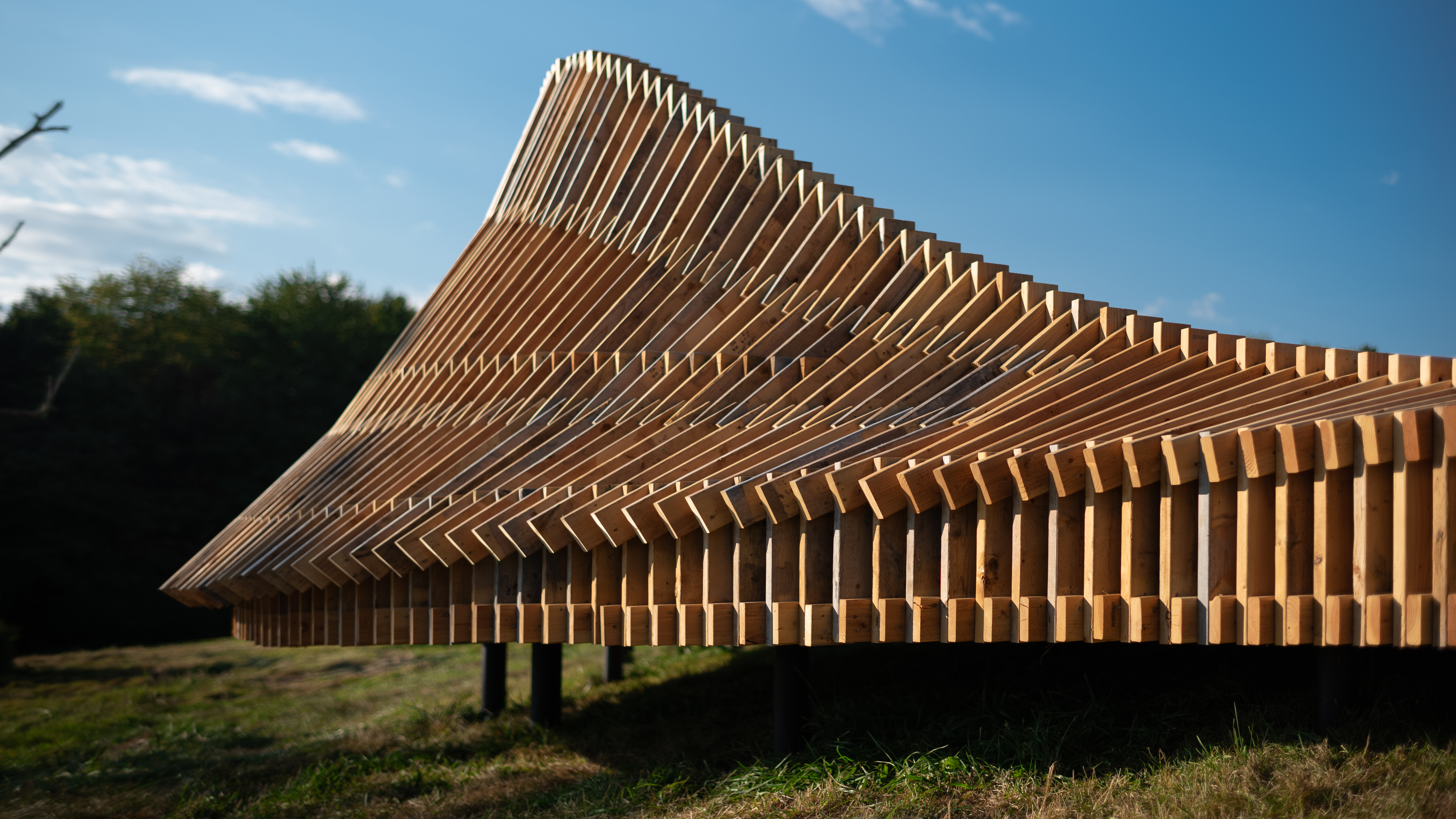
This course explores how robotics, AI, and computational design are transforming architectural practice and construction workflows. Drawing on research from Princeton’s Adel Research Group (ARG) and ETH Zurich, participants will examine multi-robot assembly, AI-driven material optimization, and human–robot collaboration in off-site prefabrication. Case studies—including the DFAB House—reveal how robotic fabrication increases precision and productivity, improves worker safety, and supports lower-carbon and resilient building systems.
By the end of the course, you will be able to do the following:
- Identify how robotics and artificial intelligence can improve construction precision, reduce errors, and enhance the overall safety and quality of the built environment.
- Explain how human–robot collaboration and automated workflows can reduce physical strain, improve worker safety, and help address labor shortages within the construction industry.
- Evaluate how computational design and robotic fabrication can reduce embodied carbon through material optimization, resource-efficient construction strategies, and lower-carbon building systems.
- Assess how multi-robot assembly, off-site prefabrication, and emerging AI-driven workflows can integrate with traditional design processes to support resilient, equitable, and innovative architectural solutions, including mass customization and novel design expressions.
Course Type: Recorded webinar
Featured Course: Yes
Learning Hours: 1
AIA Course #: TW_ROBAI_1225
AIA Credit (LU/HSW): 1
AIA Session #: 1
AIA Provider #: 501110112
AIA Expiration Date: December 10, 2028
Provider: Think Wood
Credits: AIA LU/HSW